How Long Do STD Test Results Take? Timelines for Clinic, At-Home, and Lab Testing in the US
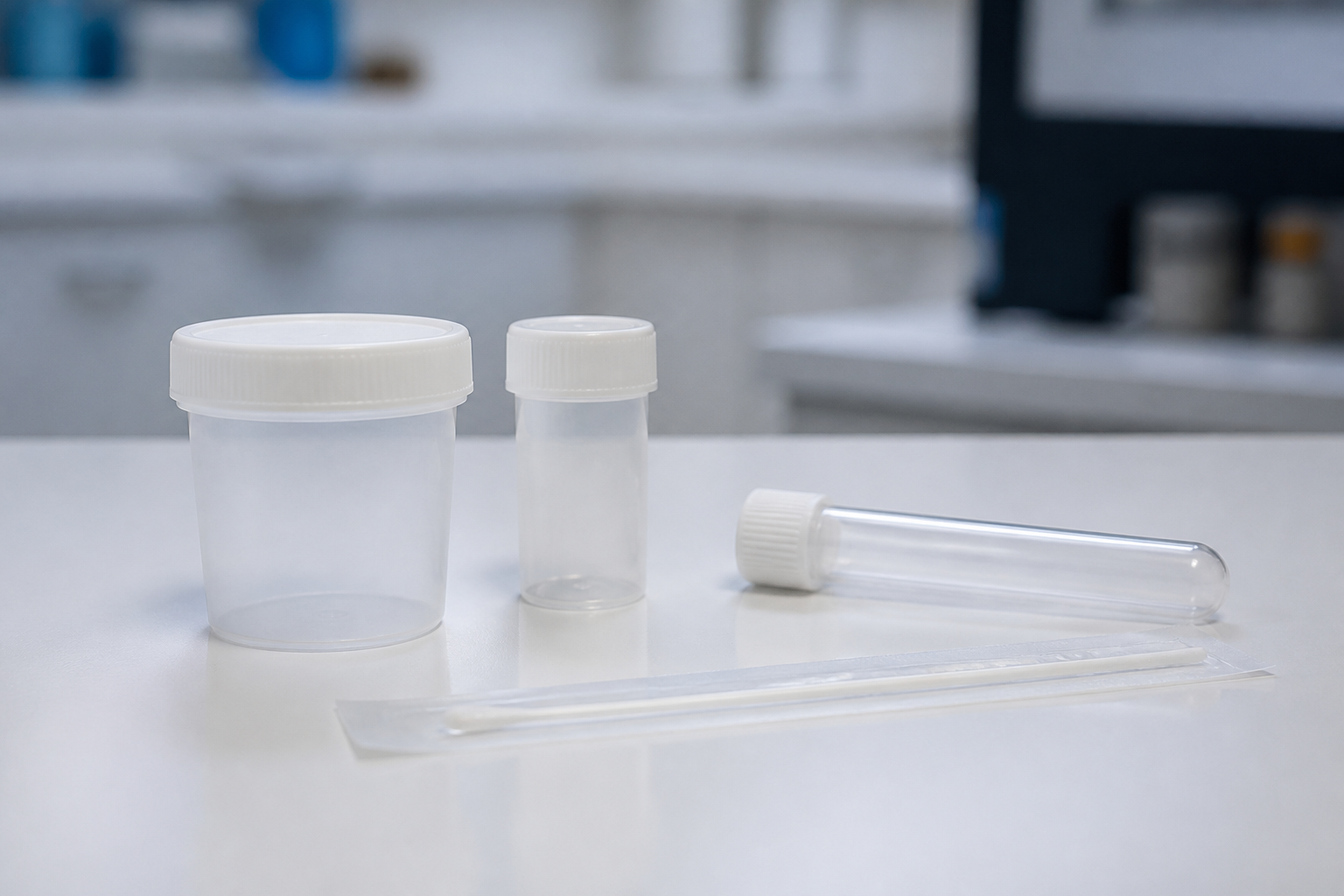
STD test results may take minutes, about a day, or several days depending on the infection, test method, laboratory workflow, and whether confirmation is needed.
Key takeaways
- There is no single turnaround time for every STD or STI test.
- Some rapid tests provide a readable result during a visit or within minutes, while routine laboratory testing may take a day or several days.
- At-home rapid tests and at-home collection kits mailed to laboratories are different testing categories.
- A reactive or positive screening result may require confirmatory testing before a diagnosis is established.
- Result turnaround time is separate from the window period after exposure.
How long do STD test results take? In the United States, the answer can range from minutes to several days. The timing depends on what infection is being tested, the assay used, whether the specimen is tested at the visit or sent to a laboratory, and how the clinic releases results. A rapid result is not necessarily a final diagnosis, and a negative result soon after exposure may not rule out infection.
Quick answer: typical timelines by testing method
- Clinic rapid or point-of-care testing: Some tests can provide results during the visit or within minutes. CDC guidance distinguishes these services from routine laboratory workflows.
- Clinic laboratory testing: Many molecular or other laboratory tests take about a day or several days, depending on the test and laboratory process. NIH notes that DNA-based STI testing can take several days.
- At-home rapid testing: Certain authorized home tests have short read times, such as about 15, 20–40, or 30 minutes, depending on the specific product and infection being tested.
- At-home collection with laboratory processing: Total time includes receiving the kit, collecting the specimen, shipping it, laboratory receipt and processing, and release of the result. There is no universal mail-in timeline.
Clinic rapid and point-of-care testing
A clinic may use a rapid or point-of-care test that produces a result during the visit. CDC quality-service guidance identifies same-visit services as useful for timely diagnosis and care, but rapid testing should be distinguished from routine testing in which a specimen is sent to a laboratory. The exact timing depends on the infection, test, specimen, and clinic workflow.
For example, MedlinePlus reports that some rapid chlamydia tests provide results in 90 minutes or less. This is a test-specific example, not a promise that every chlamydia test—or every STD test—will be completed within that period.
Clinic-based laboratory testing
When a clinic sends a urine, blood, swab, or other specimen to a laboratory, the result may take about a day or several days. NIH states that DNA-based STI testing can take several days, while in-office results are increasingly available for some tests. MedlinePlus says laboratory HIV results are usually ready a few days after blood collection.
The time a clinician receives a completed result may not be the same as the time you see it. Clinics may need to review the result, post it to a portal, call, text, or otherwise notify you. CDC notes that STI turnaround measurements can include specimen transport, laboratory processing, result reporting, patient notification, and treatment linkage.
At-home rapid tests
An at-home rapid test is performed and read at home rather than mailed to a laboratory. The read time depends on the specific authorized test. FDA information says the OraQuick in-home HIV test provides a readable result within 20–40 minutes. The FDA-authorized First To Know syphilis test provides an at-home result in approximately 15 minutes, and the FDA-authorized Visby Medical Women's Sexual Health Test reports results in approximately 30 minutes.
These examples should not be generalized to all infections or products. A rapid home result may be preliminary or may not answer every clinical question. The FDA states that a reactive OraQuick HIV result requires confirmatory medical testing. A positive antibody result from the First To Know syphilis test requires additional testing and cannot by itself diagnose active syphilis.
At-home collection kits sent to a laboratory
An at-home collection kit is different from an at-home rapid test. With a collection kit, you collect the specimen at home and send it to a laboratory. The total wait may include delivery of the kit, collection, shipping, laboratory receipt, processing, and result release. MedlinePlus notes that at-home chlamydia collection may involve sending a sample to a laboratory.
Because these steps vary, authoritative sources do not support one universal mail-in turnaround time. Check the instructions for the exact test and determine whether its stated estimate begins at collection, laboratory receipt, or another point in the process.
Examples for specific infections
- Chlamydia: MedlinePlus says results are usually ready in a day for the referenced test, while some rapid chlamydia tests provide results in 90 minutes or less.
- HIV: MedlinePlus says laboratory results are usually ready a few days after blood collection, while rapid tests can provide results in about 30 minutes.
- Syphilis: The FDA-authorized First To Know test provides an at-home result in approximately 15 minutes, but a positive antibody result needs additional testing to diagnose active syphilis.
- HIV self-testing: FDA information says the INSTI HIV self-test can be read immediately or within one hour. Positive results require confirmation, and a negative result may not exclude infection after a recent exposure.
- Gonorrhea and trichomoniasis: Timing depends on the specific assay and testing pathway. Do not assume that the timing for a rapid chlamydia or HIV test applies to these infections.
Why a result may take longer than expected
- The specimen must be transported to a laboratory.
- The laboratory may measure processing time from specimen receipt rather than collection.
- The test may be processed in a laboratory workflow rather than at the point of care.
- The clinic may need to review and release the result before notifying you.
- A reactive, positive, or inconclusive screening result may require additional testing.
What to do while waiting
Follow the instructions provided with the test or by the clinic, including how and when results will be released. If you have symptoms, a known exposure, pregnancy-related concerns, or an invalid, reactive, or positive home result, contact a qualified healthcare professional rather than waiting for routine results or relying on a home screen alone. CDC notes that rapid HIV results may be preliminary and that reactive results require assessment with laboratory-based testing.
If a result is negative but the exposure was recent or concern continues, ask a healthcare professional whether repeat or additional testing is appropriate. A negative rapid antibody test may miss acute HIV infection, and recent exposure can affect the interpretation of some home tests.
How to get a more precise estimate
- Identify the infection being tested and the type of assay.
- Ask whether the test is rapid, point-of-care, or laboratory-based.
- Ask when the stated clock starts: collection, laboratory receipt, processing, result release, or notification.
- Ask whether a reactive or positive screen requires confirmation.
- Confirm how results will be delivered and what to do if you do not receive them within the stated timeframe.
For a broader comparison of testing pathways, visit our guide to sexual health testing options at /std-testing. You can also browse more sexual health testing guides at /blog.
Frequently asked questions
How long do STD test results usually take?
There is no single standard. Some rapid tests provide results during a visit or within minutes, while routine laboratory testing may take about a day or several days. At-home collection kits can take longer because shipping and laboratory receipt are added.
Can STD test results come back the same day?
Yes, some rapid or point-of-care tests can provide same-visit results, and certain authorized home tests have read times of about 15 to 40 minutes. This does not apply to every infection or test.
Are mail-in STD tests faster than clinic tests?
Not necessarily. A mail-in collection kit includes shipping and laboratory receipt in addition to testing. Clinic timing depends on whether the specimen is tested during the visit or sent to a laboratory.
Does a rapid positive result confirm an STI?
Not always. Reactive or positive screening results may require confirmatory testing. For example, FDA information states that reactive HIV self-tests require confirmation and positive syphilis antibody results require additional testing.
Does a negative result rule out an STI?
No. A negative result may not exclude infection after a recent exposure, and the window period is separate from laboratory turnaround time. Speak with a qualified healthcare professional if symptoms or concern continue.
Sources & references
- Program Operation Considerations for STI Prevention
- Recommendations for Providing Quality Sexually Transmitted Diseases Clinical Services, 2020
- Sexually Transmitted Infections
- Chlamydia Test: MedlinePlus Medical Test
- HIV Screening Test: MedlinePlus Medical Test
- Information regarding the OraQuick In-Home HIV Test
- FDA Marketing Authorization Enables Increased Access to First Step of Syphilis Diagnosis
- FDA Grants Marketing Authorization of First Home Test for Chlamydia, Gonorrhea and Trichomoniasis
- INSTI HIV Self Test Instructions for Use
- HIV: STI Treatment Guidelines
Sources are provided for general educational purposes only. This article is not medical advice. Consult a qualified healthcare professional with any health concerns.
Ready to compare testing options?
Use our independent, educational comparisons to understand your online STD/STI testing options.
View Provider Testing OptionsAffiliate link — we may earn a commission if you choose a provider through this link, at no extra cost to you. Pricing, turnaround and availability are set by the provider and can change.